
Regional Spotlight: Northwest Territories
The Northwest Territories (NWT) offers significant investment potential rooted in its resource strength, northern infrastructure and Indigenous‑led economic partnerships. Spanning over 1.3 million square kilometres and home to just over 45,000 people, the territory combines scale and strategic assets that support long‑term growth.
Strategic Sectors Driving Investment
Five core sectors drive NWT’s economy and global investment potential:
- Critical Minerals and Mining: Advancing rare earth element projects, including Nechalacho near Thor Lake, alongside active diamond operations position the Northwest Territories as a growing contributor to global critical mineral supply chains.
- Energy: Hydroelectric stations and expanding biomass initiatives power communities and reduce diesel dependence, supporting clean energy investment.
- Tourism: Eco-tourism, aurora viewing and Indigenous-led cultural experiences attract growing international demand.
- Logistics: Arctic shipping routes and emerging northern corridors create long-term potential for global supply chain resilience.
- Arts and Culture: Indigenous art, crafts and cultural exports contribute to economic diversification and global recognition.
Economic Landscape
Anchored by Yellowknife, the capital and largest city, NWT’s economy is led by high-value mining, clean energy, transportation and a rapidly expanding tourism sector. The territory’s GDP exceeds $5 billion, supported by resource exports and federal investments in infrastructure and clean energy.
Clean power infrastructure underpins this growth. Two hydroelectric grids supply electricity to roughly 70% of residents, reinforcing NWT’s commitment to low-carbon development and reducing energy costs in remote communities.
Its strategic position in the western Arctic strengthens links to national northern development priorities and emerging global trade routes, including interest in Arctic shipping access.
A Strong, Active Business Environment
NWT’s business environment is shaped by strong Indigenous partnerships, targeted development programs and increasing global interest in northern supply chains. These factors drive investor confidence by demonstrating local capacity, clear governance and strong community engagement.
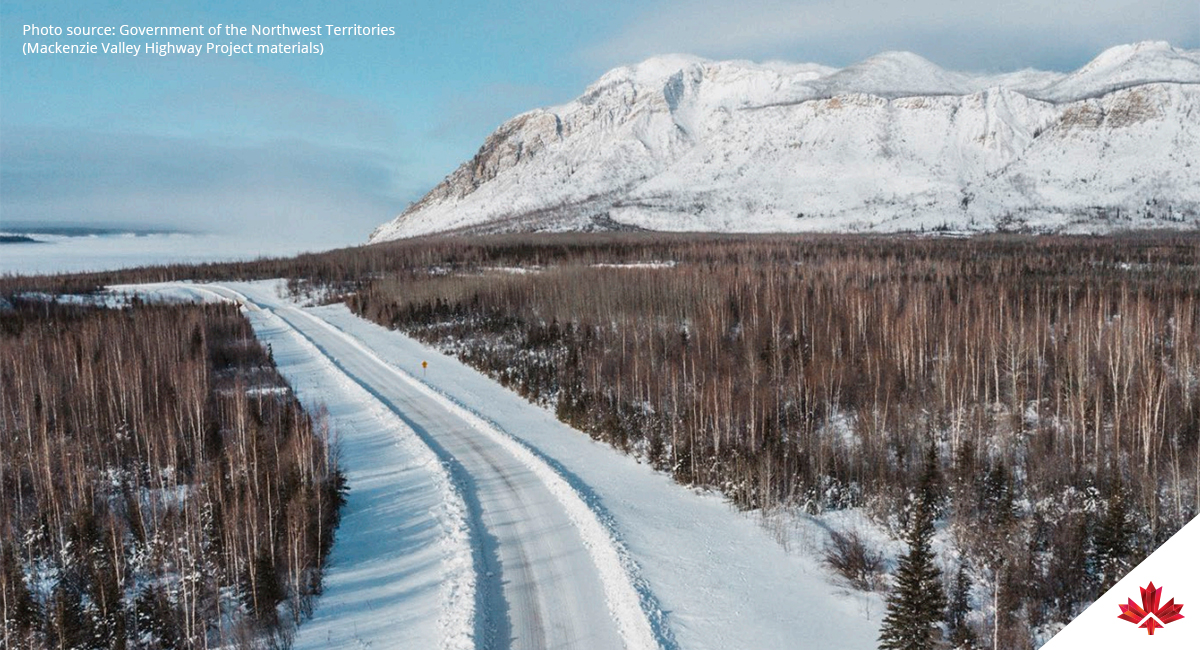
As Canada’s first project of national interest, the Mackenzie Valley Highway is set to advance an all-weather corridor from Wrigley to Inuvik – improving reliability of access and unlocking new economic potential across the Northwest Territories.
Photo source: Government of the Northwest Territories (Mackenzie Valley Highway Project materials)
Foreign Direct Investment (FDI) Attraction
NWT is attracting global investors with:
- Rich Critical Mineral Base: world-class deposits of rare earth elements, diamonds, zinc, gold and other strategic minerals.
- Strategic Arctic Access: gateway to the Beaufort Sea and Arctic shipping routes, with growing interest in northern logistics.
- Clean Energy Potential: hydroelectric capacity and emerging renewable energy projects reduce reliance on diesel and support net-zero goals.
- Indigenous-Led Development: strong partnerships with Indigenous governments and development corporations drive inclusive growth.
- Infrastructure Investments: federal and territorial support for roads, ports, airports and digital connectivity is unlocking new opportunities.
Infrastructure and Trade: Building NWT’s Economic Backbone
Air transport remains vital to NWT’s economy, with Yellowknife Airport operating as a regional hub for cargo, tourism and essential services. Investments in airport upgrades and digital infrastructure continue to strengthen connectivity and support economic resilience.
Major transportation projects are also reshaping long-term investment potential. The Tłı̨chǫ All-Season Road, completed in 2021, connects remote communities to the national highway system and improves access to mineral-rich regions.
Through Canada’s Major Projects Office, the federal government is advancing a group of significant infrastructure projects in the Northwest Territories. The Mackenzie Valley Highway – Canada’s first project of national interest – is moving forward through coordinated, accelerated development. Alongside the Arctic Economic and Security Corridor and the Taltson Hydro Expansion, these projects will improve access, strengthen trade links and support critical mineral and clean energy investment.
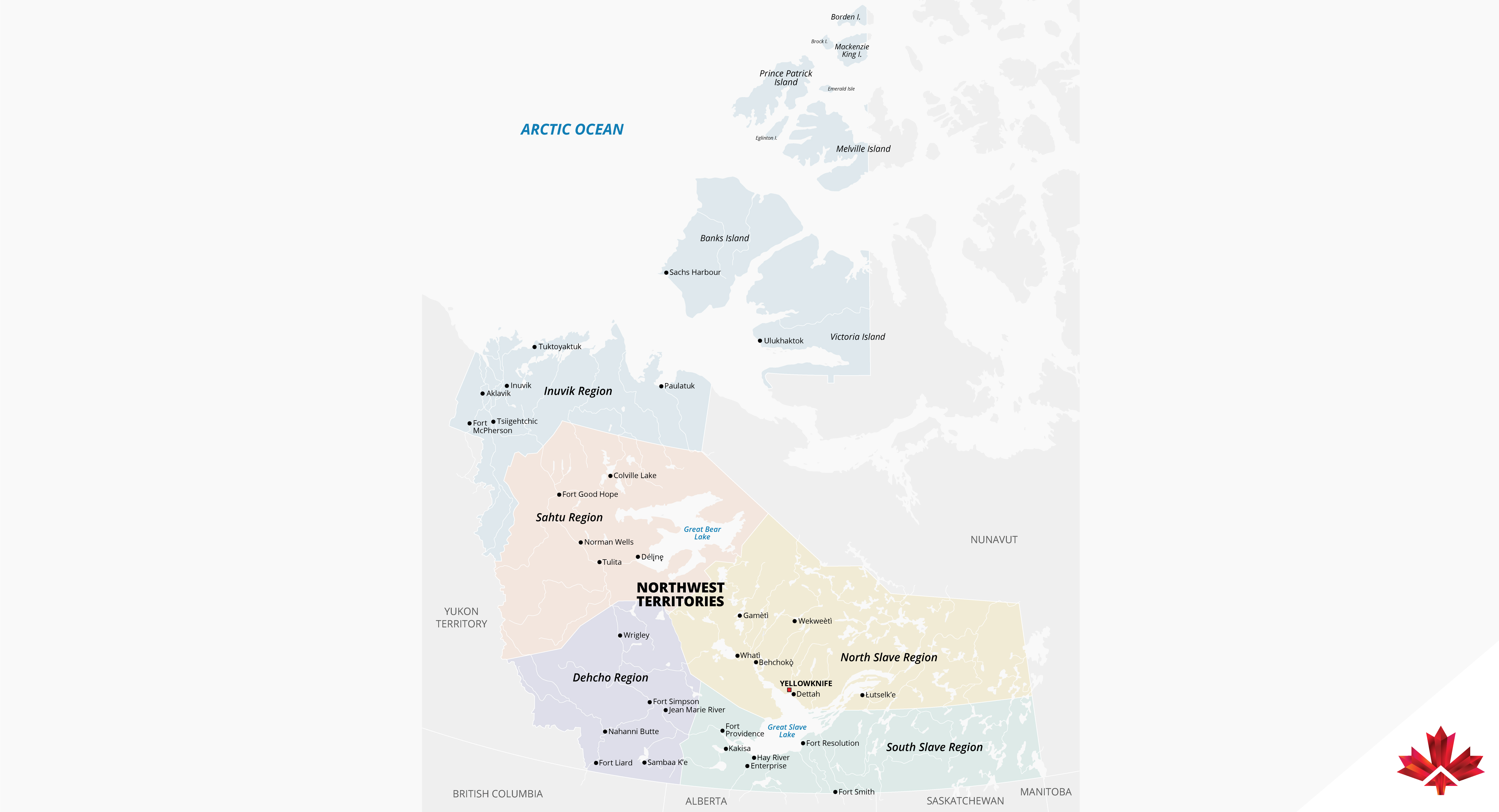
The Northwest Territories’ five regions – Inuvik, Sahtu, North Slave, South Slave and Dehcho – anchor the territory’s economic strengths, from critical minerals to transportation corridors and clean energy development.
Attracting FDI
Case Study: Vital Metals – Nechalacho Rare Earth Project
Vital Metals, an Australian company, is advancing the next phase of development at the Nechalacho rare earth site in NWT. The project’s early mining phase included an important partnership with the Yellowknives Dene First Nation, whose development corporation carried out the initial mining and crushing operations. As the company shifts its focus to the larger Tardiff deposit – one of the world’s highest-grade rare earth resources – Nechalacho continues to demonstrate NWT’s critical minerals potential and its capacity for Indigenous-industry collaboration.
Case Study: Arctic Energy Alliance (AEA)
While not a foreign investor, the Arctic Energy Alliance has drawn international attention for its community-scale renewable energy initiatives. Projects such as remote solar installations and efficiency retrofits reduce energy costs, cut emissions and build technical capacity across the North. These efforts demonstrate that NWT can support clean energy investment models – a key signal to foreign investors evaluating sustainability-aligned opportunities.
Laying the Groundwork for FDI
Existing investments in critical minerals, community energy and Indigenous-led partnerships are strengthening the conditions foreign investors look for: reliable project execution, local support and a regulatory environment that values long-term community benefit. By demonstrating that resource development, energy initiatives and infrastructure improvements can be delivered through shared governance and Northern expertise, NWT continues to reduce risk perceptions among international investors.
As the Northwest Territories expands its clean energy systems, invests in all-season transportation links and develops projects throughout its five regions, it is well-positioned to attract future foreign direct investment in critical minerals, low-carbon energy, logistics, cold-climate technologies and community-driven development. Together, these foundations point to a territory ready for new global partnerships.
Partner Spotlight
Indigenous development corporations such as the Tłı̨chǫ Investment Corporation, Det’on Cho Corporation and Inuvialuit Development Corporation play a central role in NWT’s economy. These entities lead joint ventures in mining, construction, logistics and tourism, ensuring that investment aligns with community priorities and delivers lasting benefits.
The Canadian Northern Economic Development Agency (CanNor) continues to support Indigenous-led projects across NWT, investing in infrastructure, training and innovation. Programs like IDEANorth and the Northern Indigenous Economic Opportunities Program help scale local businesses and support partnerships with global companies.
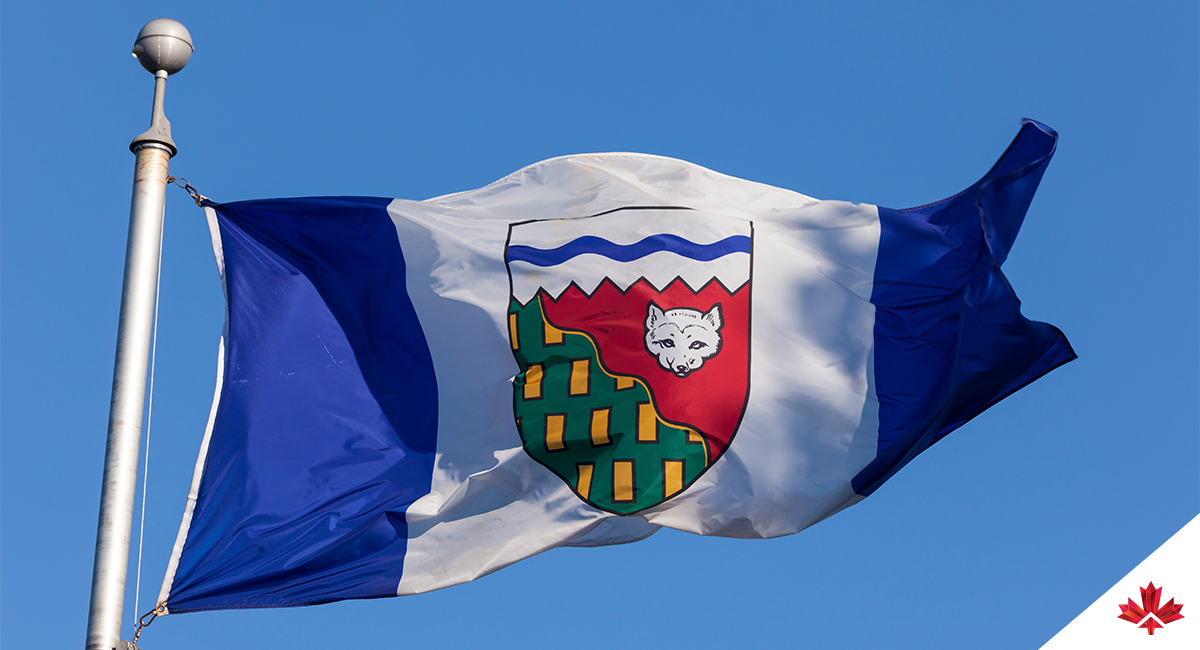
The NWT flag’s shield evokes the polar ice pack and Northwest Passage, the territory’s mineral wealth, and the Arctic fox – enduring symbols of a northern heritage shaped by resilience and trade. Together, these elements continue to inform compelling investment prospects across the North.
“In the Northwest Territories, collaboration with communities and Indigenous partners helps ensure investment aligns with northern values. Invest in Canada works with global companies to build trusted partnerships that support long-term prosperity across the North.”
The Honourable Laurel Broten, CEO, Invest in Canada